Hey everyone!
We all want our homes to look like they belong on the pages of a design magazine, but let’s be real—sometimes it’s easy to make a few design missteps along the way. Don’t worry, though! I’ve got your back with a list of common interior design mistakes and how you can avoid them, so your space can feel polished, cozy, and totally you.
Let’s get started!
1. Skipping the Floor Plan
Okay, I get it—sometimes you just want to dive straight into decorating. But trust me, skipping the floor plan is one of the biggest mistakes you can make. Without a plan, you might end up with furniture that’s too big, too small, or awkwardly placed. Without planning out the exact size & measurements of your room, chances are, it’s not going to come out like you wanted it to.
How to Fix It:
Before you buy anything, grab a measuring tape and plan out your space. This will help you figure out how everything will fit and flow together. Pro tip: there are also tons of free online tools that make floor planning easy! Below is a list of some of my favorites.
Roomstyler is a user-friendly tool that allows you to create a floor plan, drag and drop furniture, and visualize your space in 3D. It has a large library of furniture and decor items, making it easy to experiment with different layouts.
Website: Roomstyler 3D Home Planner
Floorplanner is another easy-to-use tool that allows you to create a detailed 2D floor plan and furnish it with different design options. You can then view the space in 3D for a better sense of how everything fits together.
Website: Floor Planner
SketchUp is a 3D design tool used by both beginners and professionals. The free version allows you to create detailed floor plans and 3D models. It’s a bit more technical, but once you get the hang of it, it’s a really useful tool for space planning.
Website: SketchUp Free

2. Choosing Paint Colors First
I know, picking a paint color is so tempting when you start a project, but hold off! Choosing paint before you know what furniture and decor, you’re working with can lead to color clashes.
How to Fix It:
In reality, paint should be one of the last items that you select. Start with the big stuff—furniture, rugs, and fabrics—then choose a paint color that complements those pieces. It’s way easier to match paint to your furniture than the other way around!

3. Pushing All the Furniture Against the Walls
Raise your hand if you’ve ever lived in a home where every piece of furniture in your living was pushed up against the wall 🙋♀️. While it might seem like a good idea to maximize space, it can actually make your room feel disconnected and less elevated.
How to Fix It:
Pull your furniture away from the walls, even just a few inches! This will create a more intimate and functional layout. Use area rugs to define your space and group furniture together to encourage conversation.

4. Overcrowding the Space
More isn’t always better, especially when it comes to home decor. Filling every corner can make your space feel cluttered and overwhelming, rather than stylish and curated.
How to Fix It:
Be selective with your pieces! Choose a few key items that make a statement, and give them room to shine. A well-edited space feels thoughtful, not chaotic.


5. Poor Lighting Choices
Relying on just one overhead light can leave your room feeling flat and uninviting. Lighting is such a game changer when it comes to setting the mood of your space!
How to Fix It:
I’ve said it once and I’ll say it again, layer your lighting! Combine overhead lights with table lamps, floor lamps, and accent lighting to create warmth and depth. Bonus points for dimmers—they’re a lifesaver for controlling the vibe.
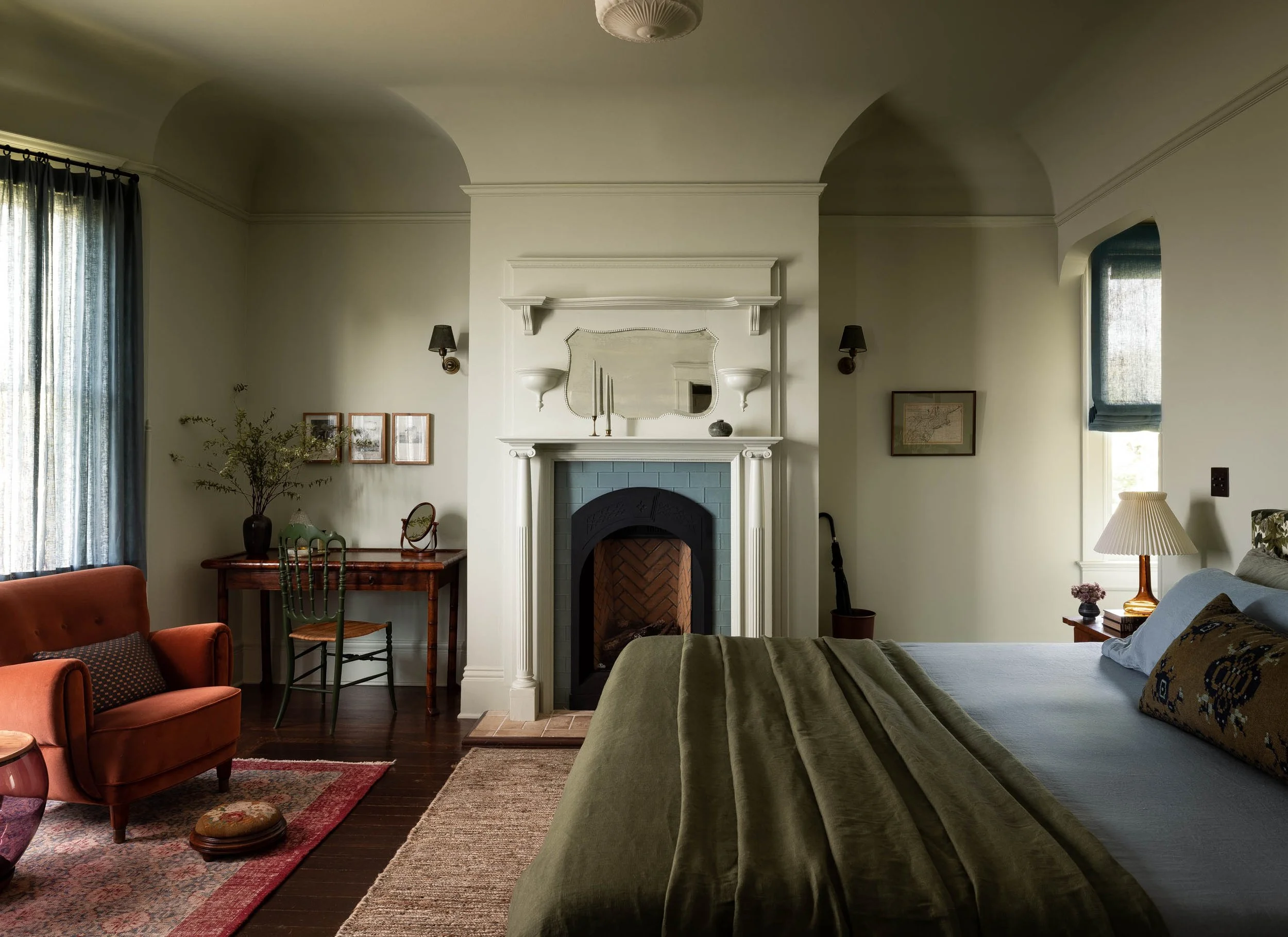
6. Ignoring Scale and Proportion
Ever walk into a room where the furniture feels either too big or too small for the space? That’s a classic scale issue. It’s all about finding the right balance between the size of your room and your furniture.
How to Fix It:
Choose furniture that fits your space. In a small room, opt for sleek, low-profile pieces. In a larger space, don’t be afraid to go big with your furniture to fill the room proportionately.
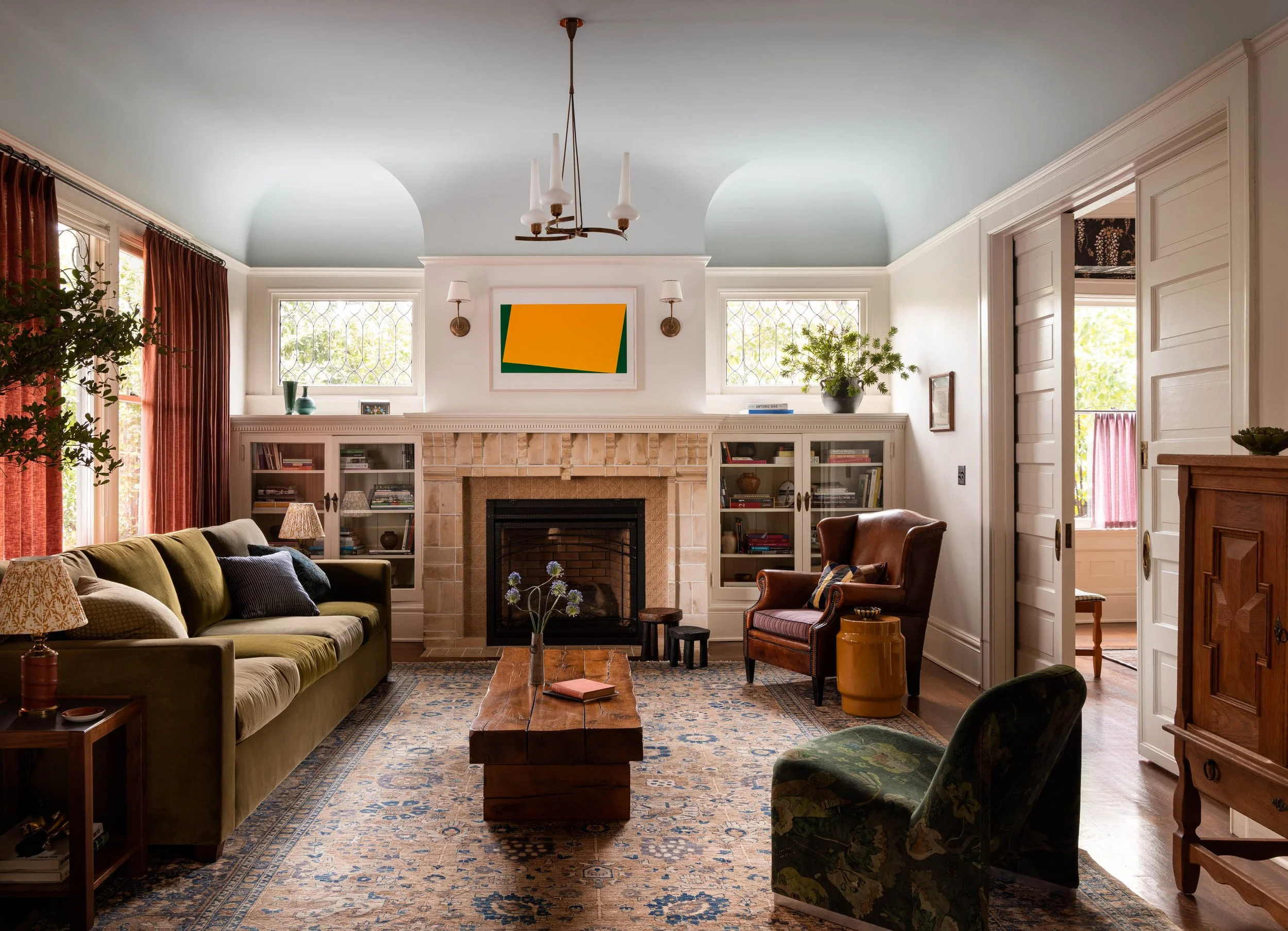

7. Hanging Art Too High
I see this one all the time! Hanging art too high can throw off the balance of your walls and make it feel disconnected from the rest of the room.
How to Fix It:
When hanging artwork, aim for the center of the piece to be around eye level—about 58 to 62 inches from the floor. If you’re hanging art above furniture, leave about 6 to 8 inches between the bottom of the frame and the furniture.

8. Forgetting Texture
If your room is feeling a little flat or “blah,” it’s probably missing texture! Texture adds warmth, depth, and coziness to your space.
How to Fix It:
Incorporate a mix of textures—think soft throw pillows, woven baskets, cozy rugs, and smooth ceramics. A little variety goes a long way in making your space feel layered and inviting.

9. Not Thinking About Functionality
Sure, you want your space to look amazing, but don’t forget that it also needs to work for your lifestyle. A beautiful room isn’t so great if it’s not practical for how you live.
How to Fix It:
Think about how you’ll actually use the space. Make sure there’s enough seating, storage, and lighting for your needs. And don’t forget about traffic flow—leave enough room for people to move comfortably around the space.
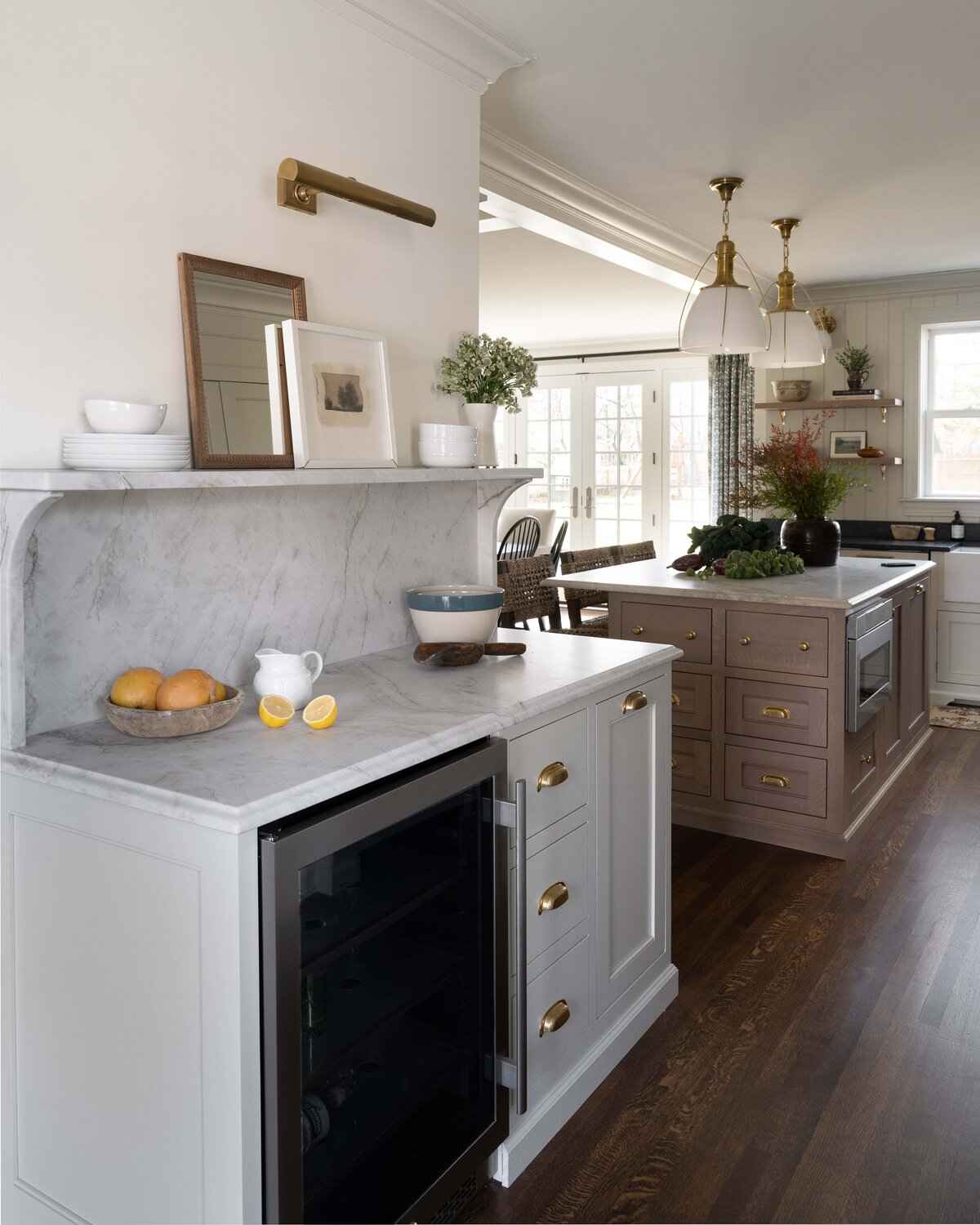
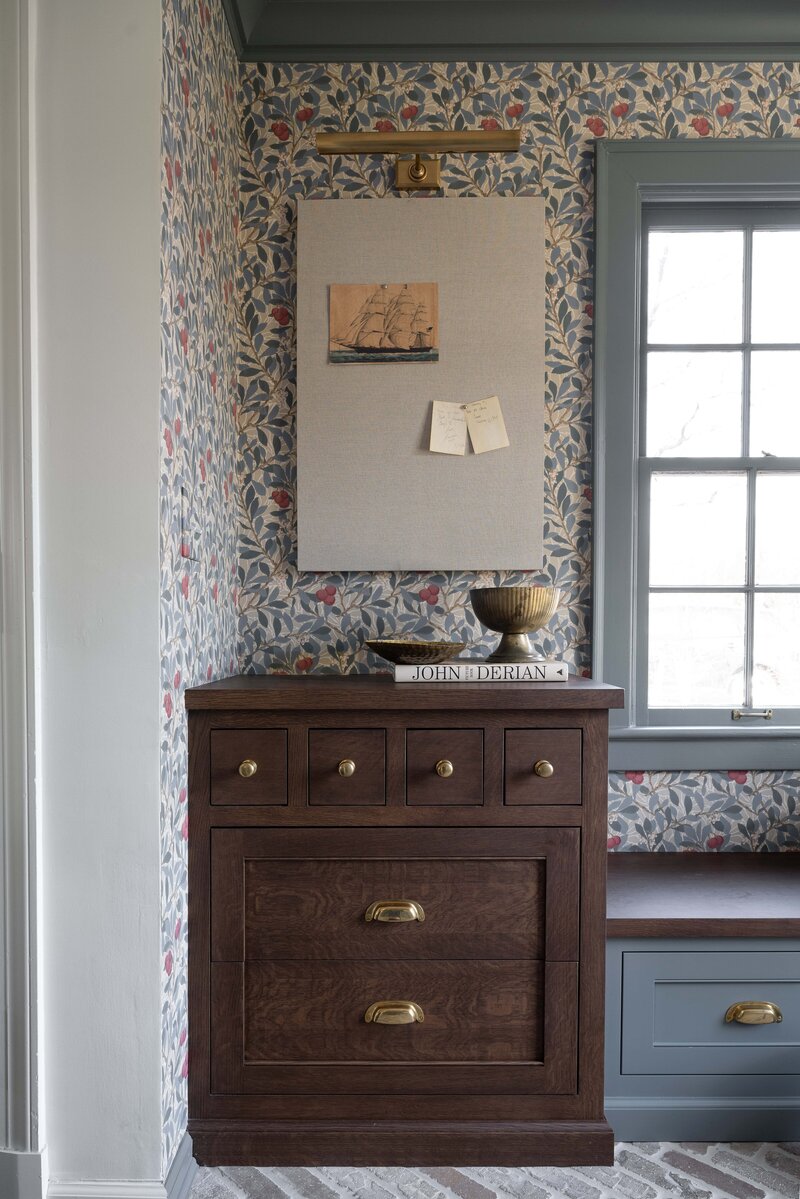
10. Failing to Edit
You might love all of your decor, but having everything on display at once can make your space feel cluttered. Editing is key to creating a cohesive, polished look.
How to Fix It:
Once you’ve styled your space, take a step back and look at it with fresh eyes. If something feels out of place or like “too much,” don’t be afraid to remove it. A little breathing room is always a good thing!


By avoiding these common interior design mistakes, you’ll be well on your way to creating a home that’s both beautiful and functional. Just remember—design is all about balance, and a few small tweaks can make a big difference in how your space looks and feels. Happy designing friends!